Modular embroidery capacity
Add production rhythm around a machine cell that can support samples, short runs, and scheduled order batches.


Build a decoration cell around flexible machine output, digitizing discipline, and practical operator control from sample approval through repeat orders.
Stable hoops for panels, polos, patches, and uniform runs.
Frame planning for front panels, side marks, and curved placements.
Decorating guidance for thick seams, pockets, straps, and tight access.

Add production rhythm around a machine cell that can support samples, short runs, and scheduled order batches.
Operators can read needle, cone, and hoop conditions quickly before a defect becomes wasted garment inventory.
Artwork, stitch density, backing choice, and trim behavior stay part of the same production conversation.
Cap, flat, sleeve, patch, and bag jobs can be planned around the actual access needs of each article.
Buying support can include machine selection, site readiness, operator training, and realistic output planning.
Use these benchmarks as a conversation starter when comparing stitch demand, artwork complexity, and available floor space.
| Planning Item | Practical Guidance |
|---|---|
| Job mix | Balance monogram, logo, patch, cap, and garment programs by setup time instead of stitch count alone. |
| Operator coverage | Assign loading, trimming, and thread checks around peak job changeover windows. |
| Floor layout | Leave space for hoops, thread storage, garment staging, and inspection before packing. |
| Machine Area | Why It Matters |
|---|---|
| Needle bar access | Speeds thread color changes and makes routine checks more comfortable. |
| Hoop registration | Protects logo placement when repeat orders move across garment sizes. |
| Cap frame clearance | Supports curved-panel jobs without forcing awkward setup compromises. |
| Workflow Layer | Decision Point |
|---|---|
| Digitizing | Validate stitch density, pull compensation, and thread sequence before production starts. |
| Sampling | Keep approved sew-outs with notes on backing, hoop, fabric, and needle selection. |
| Repeat orders | Document setup choices so returning programs can launch with fewer operator decisions. |
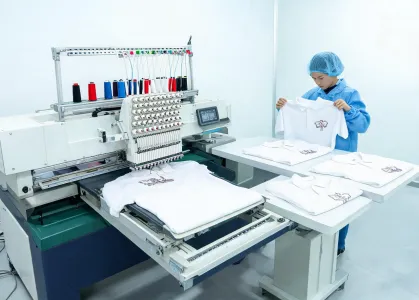
Uniforms, polos, fleece, and branded retail garments.
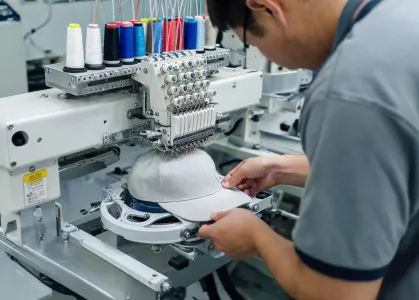
Structured and unstructured headwear with front and side marks.
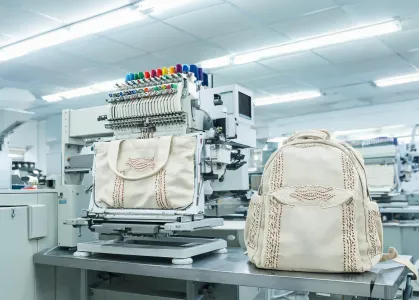
Totes, backpacks, travel goods, and promotional carriers.
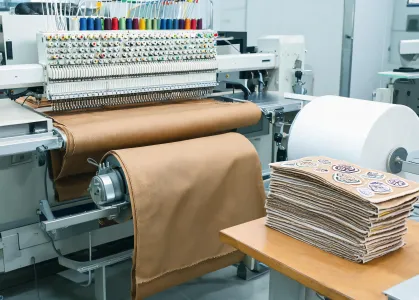
Merrowed, heat-applied, and sewn-on identity programs.
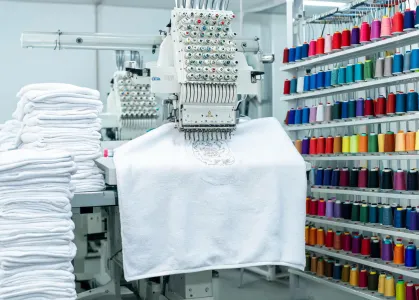
Towels, robes, linens, and soft goods with repeat motifs.
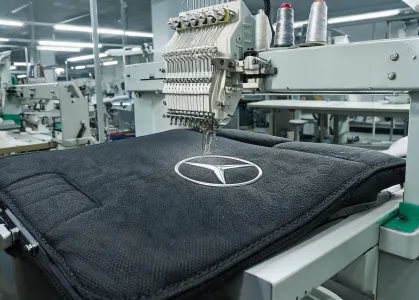
Panels, seat accents, and specialty textile decoration.
Needle-class planning conversations
Core article families supported
Sample review target for prepared files
Dealer-guided equipment matching
Tell Melco what you decorate, how often jobs change, and where your operators lose time. The next conversation can focus on practical machine and workflow fit.